Understanding Crepey Skin
A Gentle, Science-Informed Guide for Aging Women
Crepey skin is a term used to describe skin that appears finely wrinkled, thin, or lightly textured, similar to delicate fabric. It most often appears on the upper arms, thighs, above the knees, and across the décolleté.
For many women, these changes become more noticeable in their 40s and 50s. Skin is living tissue. It evolves in response to time, hormones, environment, and daily care. Understanding the physiology allows us to support it with clarity and consistency.
Hormonal Shifts and Estrogen
During perimenopause and menopause, estrogen levels gradually decline. Estrogen plays an important role in supporting collagen production, maintaining skin thickness, and contributing to natural lipid production and moisture retention.
As estrogen shifts, skin may feel drier and less elastic. Texture can change. The surface may appear more finely wrinkled in certain areas. These changes reflect a new hormonal landscape rather than a defect.
Collagen and Elastin Over Time
Collagen provides structure and firmness. Elastin allows skin to stretch and return to shape. With age, collagen production slows and existing fibers become less densely organized. Skin can respond more gradually to movement and gravity, especially in areas that experience frequent motion.
Supporting skin during this phase focuses on hydration, lipid replenishment, and consistent surface nourishment.
The Skin Barrier and Moisture Retention
The outermost layer of skin functions as a protective barrier. It helps retain water and defend against environmental exposure. When lipid levels decline, this barrier becomes less efficient at holding moisture. Water escapes more easily through transepidermal water loss. Skin can look thin or crinkled when dehydrated.
Barrier support becomes foundational in midlife skincare. Maintaining surface lipids helps improve the feel of smoothness and suppleness.
Environmental Exposure and Oxidative Stress
Cumulative sun exposure and environmental stress influence the appearance of skin over decades. Oxidative stress affects the integrity of collagen and elastin. Antioxidant-rich botanicals in topical formulations help support skin’s appearance and overall conditioning.
Supporting Crepey Skin with Consistency
Maturing skin responds well to steady care. Botanical oils help reinforce surface lipids and reduce moisture loss while improving skin comfort and texture. Applied daily, especially to slightly damp skin, oils can help seal in hydration and support a supple feel.
Touch also plays a meaningful role. Warming oil between the palms and applying with intention encourages circulation to the surface and strengthens awareness of changing tissue. Skin benefits from regular contact and nourishment.
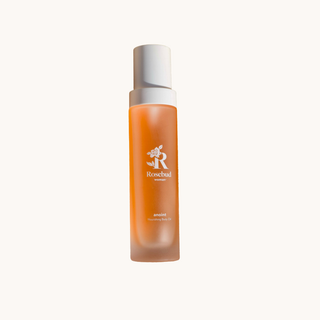
Anoint Nourishing Body Oil
Anoint Nourishing Body Oil from Rosebud Woman was formulated to support skin as it evolves. The lightweight botanical blend is designed to support surface smoothness, suppleness, and moisture retention without heaviness.
At the heart of the formula is Schisandra chinensis, a botanical long valued in traditional systems for vitality and balance. In skincare, Schisandra is appreciated for its antioxidant content and its role in supporting skin conditioning and the appearance of healthy-looking resilience.
Paired with deeply nourishing plant oils, Anoint offers daily barrier support for areas that feel thin, dry, or textured. With consistent use, skin feels more comfortable and supple to the touch.
Crepey skin reflects hormonal shifts, collagen changes, and time lived. In this season, education and nourishment go hand in hand. Supporting the skin barrier, replenishing lipids, and incorporating antioxidant-rich botanicals create a steady foundation for mature skin care.
The body adapts. Care can evolve alongside it.
Shop what’s in this story
Frequently asked
What causes crepey skin as women age?
Is crepey skin the same as ordinary wrinkles?
Can body oil actually help crepey skin?
When is the best time to apply oil for crepey skin?
References
- Crepey Skin: Causes and Treatment— Cleveland Clinic
- Menopause and the Skin: Old Favorites and New Innovations in Cosmeceuticals for Estrogen-Deficient Skin— PubMed / NIH
- Collagen: What It Is, Types, Function & Benefits— Cleveland Clinic






Related Articles