Why We Selected Foria's Magnesium
Most magnesium sold in this country is magnesium oxide. It's inexpensive, it looks impressive on a label because a high proportion of it is elemental magnesium, and your body absorbs a small fraction of what better forms deliver. A person can take it faithfully for a year and receive very little.
So before anything else, I looked at the form. This one uses none of it.
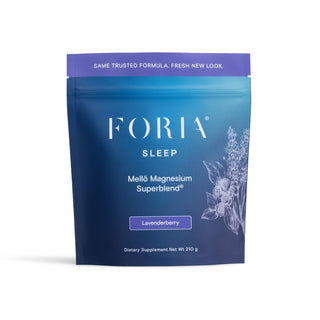
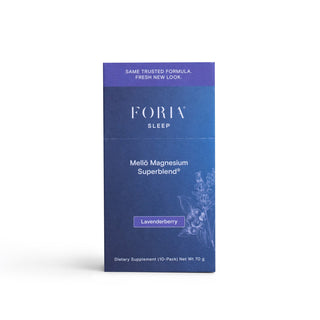
What it uses instead is magnesium glycinate — magnesium bound to glycine, which is itself a calming amino acid, so the carrier does work rather than just adding weight — alongside magnesium lactate gluconate and Aquamin, a mineral complex drawn from red marine algae. Three well-absorbed forms rather than one cheap one.
Three hundred milligrams of elemental magnesium per scoop, which is a real dose rather than a gesture. Thirty servings in a container, which is an actual month.
Why the powder matters more than it sounds
Magnesium glycinate is only around fourteen percent elemental magnesium, because glycine is a substantial molecule in its own right. Magnesium oxide runs closer to sixty percent. So the better form requires three or four times as much material to deliver the same magnesium.
In a capsule, that means three or four capsules instead of one — and adherence falls off a cliff past four or five pills a day. Most women quietly stop.
A powder sidesteps the whole problem. One scoop, stirred into something warm, and the arithmetic disappears.
What else is in it
L-theanine at a hundred milligrams. An amino acid from tea leaves, small enough to reach the brain readily, studied for relaxation that doesn't sedate.
GABA at five hundred milligrams. And here I'll be straight with you, because I'd rather you hear it from me. GABA is a calming neurotransmitter your brain makes. Swallowed as a supplement, it's a large molecule that crosses into the brain poorly — which is the standard objection to oral GABA, and it's a fair one. Some researchers argue for indirect effects through the gut and the vagus nerve, and a handful of small studies report people feeling calmer. The evidence is thin.
I don't think it's doing much, and I don't think it's doing harm. I stock this for the magnesium and the theanine. If the GABA turns out to help, that's a bonus rather than the reason.
Why here
The curation is the product. Every supplement on this shelf has been read the way I just read that one — form, dose, container size, and whether the claims outrun what's actually in it. Most retailers stock what sells. I'd rather stock less and be able to tell you why.
One conversation. The magnesium belongs to the same evening as the oil you're already using. Buying them in one place from someone who understands how they fit together beats assembling a routine from four different companies who've never heard of each other.
And of course, you get your points from our loyalty program, on every purchase.
And you're supporting the work. The essays, the body literacy, the research that goes into deciding what's worth stocking... that's paid for by what you buy here. Foria makes a good product. Buying it through us funds the other parts we care so deeply about.
How to use it
Take it in the evening, an hour or so before you plan to sleep. Stir a scoop into warm water or a cup of something herbal and drink it slowly, sitting down.
Then the rest of the wind-down, whatever yours is — the bath, the oil, the two minutes of your own hands on your own skin. Magnesium works better inside a practice than as a pill you remember on the stairs.
Give it a couple of weeks. Muscle and nervous system settling accumulate rather than arrive, and the difference tends to show up as an easier evening rather than a dramatic night.
A note on limits: magnesium can interact with certain medications, including some antibiotics and thyroid medications, and anyone with kidney disease should not supplement it without medical supervision. Persistent sleeplessness, anxiety, or muscle pain deserves a provider rather than a powder. Reverence includes knowing what a scoop can't reach.
Shop what’s in this story

Frequently asked
Which form of magnesium is best absorbed?
Can magnesium help with sleep?
References
- Magnesium — Fact Sheet for Health Professionals— NIH Office of Dietary Supplements






Related Articles