New to Vulvar Dryness?
New to Vulvar Dryness?
You may notice less natural lubrication, increased awareness of friction or irritation during or after sex. A feeling that the tissue needs more support than it once did.
If this is new for you, you are not alone.
Vulvar and vaginal dryness are common experiences during:
• Perimenopause
• Menopause
• Postpartum recovery
• Breastfeeding
• Periods of sustained stress
• Hormonal transitions of many kinds
This is physiology. Understanding it helps with managing it.
What’s Happening Beneath the Surface
The vulva is specialized skin. It contains fewer oil glands than other areas of the body and relies on hormonal signaling to maintain moisture and elasticity.
Estrogen supports:
• Collagen production
• Tissue thickness
• Natural lubrication
• Blood flow and responsiveness
• Lipid production within the skin
As estrogen fluctuates, tissue receives new hormonal patterns. Over time, this can result in:
• Surface dryness
• Thinner-feeling skin
• Reduced natural lubrication
• Slower arousal response
• Increased sensitivity to friction
Because vulvar and vaginal tissue contain a high concentration of nerve endings, even small decreases in moisture can feel more noticeable or intense.
These sensations reflect normal hormonal and tissue changes occurring in the body.
Changes in Intimacy
Dryness often influences intimacy in layered ways.
You may experience:
• A longer time to feel aroused
• Less swelling or fullness
• Increased tenderness with touch
• Discomfort during penetration
• Lingering sensitivity afterward
Tissue quality and sexual responsiveness are influenced by circulation, collagen levels, and hormonal patterns. As hormone levels shift over time, lubrication, elasticity, and sensation can shift as well.
Consistent daily care, adequate lubrication during intimacy, and appropriate hormonal or clinical support when needed can help maintain comfort and support responsiveness.
Supporting Vulvar Tissue in This Season
Care for intimate skin follows the same principles as facial care: preserve the barrier, replenish lipids, and nourish consistently.
Preserve the Microbiome
Use gentle, fragrance-free cleansing. The vulva thrives with minimal disruption.
Replenish Lipids Daily
Because vulvar skin contains fewer oil glands, external lipid support becomes especially meaningful during hormonal shifts.
Plant-derived oils rich in essential fatty acids help maintain:
• Surface hydration
• Suppleness
• Comfort during movement
• Barrier resilience
Support Intimacy Thoughtfully
Using a body-safe lubricant during intimacy can support comfort while tissue recalibrates. Slower arousal practices and communication support this transition.
Seek Clinical Guidance When Needed
If dryness is accompanied by persistent burning, itching, white patches, or significant pain, a healthcare provider can evaluate for dermatologic or hormonal conditions and offer individualized care.
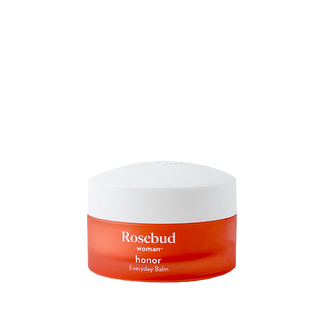
Why Honor Everyday Balm Was Created
Honor Everyday Balm was formulated specifically for delicate external vulvar tissue experiencing dryness and sensitivity.
Its concentrated botanical base includes:
• Sea Buckthorn – rich in omega 3, 6, 7, and 9 fatty acids that support mucosal tissue integrity
• Calendula – traditionally used to support delicate skin comfort
• Shea Butter – dense in fatty acids that help maintain hydration and elasticity
• Olive Oil & Plant Lipids – support barrier integrity and softness
• Beeswax – forms a breathable layer that helps maintain moisture and comfort
Daily application helps maintain hydration and support barrier integrity over time. For many women, consistency is key, which is why Honor Balm is often part of a subscription routine to ensure steady, uninterrupted care.
Many women describe feeling:
• More comfortable throughout the day
• Less aware of dryness
• More supported during intimacy
• Reconnected to intimate skin
The impact is cumulative. Consistency builds tissue resilience.
If you are new to vulvar dryness, begin gently.
Your body responds to consistent support.
Explore Honor Everyday Balm as part of your daily ritual and continue the conversation with your provider if you need personalized medical guidance.
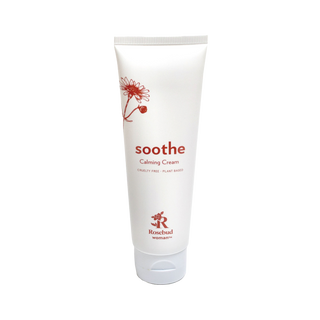
Shop what’s in this story
Frequently asked
Is vulvar dryness normal, and when does it usually start?
What causes vulvar dryness?
How can I relieve vulvar dryness day to day?
When should I see a healthcare provider about dryness?
References
- Vaginal Dryness: Causes, Symptoms & Treatment— Cleveland Clinic
- Vaginal Atrophy: Causes, Symptoms, Diagnosis & Treatment— Cleveland Clinic
- The Genitourinary Syndrome of Menopause: An Overview of the Recent Data— NIH / PMC






Related Articles