Sleep Divorce.
Should we sleep in different beds?
Sleep disturbances are a well-known companion of menopause, showing up in the form of night sweats, temperature fluctuations, insomnia, and increased sensitivity to noise or movement. For many women, these disruptions can make sharing a bed with a partner more challenging, leading to the question: should we sleep in different beds?
The Realities of Sleep and Menopause
Hormonal shifts, particularly the decline of estrogen and progesterone, can interfere with deep, restorative sleep. Many women experience:
- Hot flashes and night sweats
- Increased anxiety or restlessness
- Frequent waking
- Sensitivity to temperature and movement
If your partner snores, tosses and turns, or has a different sleep schedule, these factors can further impact your ability to get quality rest.
The Sleep Divorce: A Healthy Choice?
Sleeping separately doesn’t necessarily mean emotional distance. In fact, choosing to sleep apart—whether in separate rooms or just having occasional “solo sleep nights”—can be a compassionate act for your health and relationship. Studies suggest that well-rested individuals experience better mood regulation, reduced stress, and improved overall well-being, which can lead to more harmonious partnerships.
Ways to Improve Shared Sleep
If separate beds aren’t an option or don’t feel right for your relationship, consider:
- Temperature control: Cooling sheets, fans, or even temperature-regulating mattress toppers.
- Bedding adjustments: Separate blankets to accommodate individual warmth needs.
- Earplugs or white noise machines: To block out snoring or movement sounds.
- Consistent routines: Winding down at the same time can help regulate sleep patterns.
Prioritizing Rest and Connection
Rather than seeing separate sleeping arrangements as a sign of trouble, view them as a strategy for supporting each other’s well-being. Many couples find that good sleep improves intimacy and overall relationship satisfaction.
The bottom line? There’s no one-size-fits-all answer-only what works best for your body, relationship, and overall health.
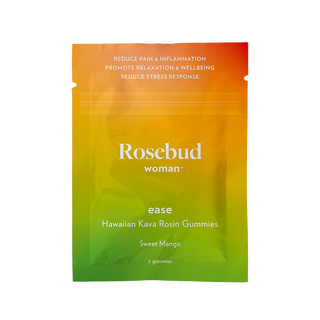
For help easing your mind, body and spirit, try our Entheogenic Gummies with Hawaiian Kava.
“There’s no one-size-fits-all answer-only what works best for your body, relationship, and overall health.”
Shop what’s in this story
Frequently asked
Why does menopause disrupt sleep for so many women?
Is sleeping in separate beds bad for a relationship?
What are alternatives to sleeping in separate beds?






Related Articles