The Impact of Weight Loss on Confidence in the Bedroom
Losing a meaningful amount of weight changes how a body moves and rests. Many women expect it to change the bedroom too, and research suggests it often does. The path runs through attention more than through the scale.
What the studies show
In a study published in JAMA Surgery, researchers followed 106 women for two years after bariatric surgery. Before surgery, more than half met criteria for sexual dysfunction. Two years later, the women reported gains in desire, arousal, lubrication and overall sexual satisfaction, and those who started with the lowest scores gained the most. Body image and mood improved alongside, and so did satisfaction with their relationships.
That lift doesn't come from the number itself. When researchers at the University of Texas surveyed 154 women about body mass, body esteem and sexual satisfaction, BMI on its own didn't predict how satisfied a woman was. What predicted satisfaction was how she felt about her body and how often appearance-based thoughts pulled her attention away during sex.
Confidence lives in attention
Sex therapists call it spectatoring: watching yourself from the outside during intimacy, tracking the belly and the angle of the light instead of feeling what's happening. Sensation needs attention to register, so a split in attention mutes pleasure at any size.
Weight loss tends to help when it quiets that inner commentary. When it doesn't, the commentary finds new material, and the work of coming back into the body is the same.
Why the mirror lags
Body image often trails the body. A study in PLOS One followed people after bariatric surgery and found body image rose over the first 12 to 18 months, then eased back by five years while staying above where it began. Preoccupation with being overweight changed little, and loose skin became a new focus for many.
The self-image you carried for years has its own momentum. Updating it is a practice, and it responds to touch and movement more than to arguments with the mirror.
A note on GLP-1 medications
Medications like semaglutide and tirzepatide are now how many women lose weight. A 2025 review in Obesity Pillars describes effects pulling in two directions: better body image and metabolic health on one side, and on the other a possible dip in desire, since these drugs appear to act on the brain's reward and serotonin signaling. If your appetite for food and your appetite for sex went quiet together, mention it to your prescriber.
Practices for coming home to sensation
- Touch before you look. Spend a few minutes each day learning your body by feel: the new line of a hip, the softness at the belly. Let your hands draw the map before your eyes do.
- Return to one sensation. When you notice yourself watching during sex, come back to breath, the warmth of skin, the weight of a hand or a sound in the room.
- Tell your partner what's new. A changed body can bring changed sensitivity and new places that want attention. Say so, and explore together.
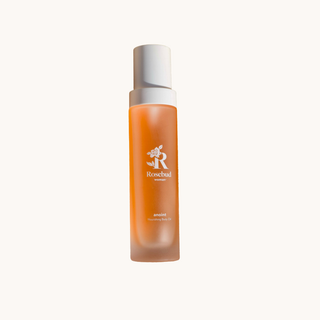
- Tend the skin that stayed. Stretch marks and loose skin carry the story of a body that adapted. Anoint, our nourishing body oil made for scars, stretch marks and skin resilience, gives that skin daily care and gives you a reason to touch it with regard.
The body you're in right now is the one that feels. Pleasure is available in it today, and confidence grows each time you choose presence over the running commentary.
If thoughts about weight, food or your body feel consuming, the National Alliance for Eating Disorders offers free support. For changes in desire, a sexual medicine clinician or certified sex therapist can help.
“The body you're in right now is the one that feels.”
Shop what’s in this story
Frequently asked
Does losing weight improve your sex life?
Why don't I feel more confident after losing weight?
Can GLP-1 medications like semaglutide affect libido?
What is spectatoring during sex?
References
- Two-year changes in sexual functioning following bariatric surgery (Sarwer et al., 2014)— JAMA Surgery via PubMed
- The association between sexual satisfaction and body image in women (Pujols, Meston & Seal, 2010)— Journal of Sexual Medicine via PubMed
- Body image changes after bariatric surgery (Bosc et al., 2022)— PLOS One
- GLP-1 receptor agonists and sexual function (Gelfand, Tveit & Simon, 2025)— Obesity Pillars






Related Articles