Best Hormone-Free Vaginal Moisturizer for Menopause Dryness
If you're dealing with vaginal or vulvar dryness — from menopause, perimenopause, breastfeeding, or simply sensitive skin — a daily vaginal moisturizer is one of the simplest, most effective things you can reach for. And if you'd rather not use hormones, the good news is that hormone-free moisturizers are a genuine first-line option, recommended by menopause specialists. Here's how to choose one, what to avoid, and the plant-based moisturizer we make and stand behind.
Moisturizer, lubricant, or vaginal estrogen? Know the difference
These three get confused constantly, but they do different jobs:
- Vaginal moisturizers are used regularly — daily or every few days — to keep vulvar and vaginal tissue hydrated and comfortable over time. They cling to tissue and release moisture.
- Lubricants are used in the moment, during sex, to reduce friction. They aren't meant for ongoing tissue health. (See our guide to lubricants.)
- Vaginal estrogen is a low-dose prescription treatment for the genitourinary syndrome of menopause (GSM) — the medical term for menopause-related dryness, thinning, and irritation.
Here's the part worth knowing: for milder, everyday dryness, moisturizers and lubricants are considered first-line care by The Menopause Society — you don't have to start with hormones. If symptoms are moderate to severe, or you have pain or bleeding, low-dose vaginal estrogen is highly effective and is preferred over whole-body (systemic) estrogen for this purpose. That's a conversation for your clinician.
What to look for in a hormone-free vaginal moisturizer
- Truly hormone-free and safe for regular, long-term daily use.
- Fragrance-free. Fragrance is a common cause of vulvar irritation and contact dermatitis.
- A short, clean ingredient list formulated for delicate intimate skin.
- Designed for the vulva — the external tissue that takes the brunt of dryness and friction.
- Barrier-supporting ingredients — plant oils and botanicals that nourish skin rather than just coat it.
Ingredients to avoid
Delicate intimate tissue is reactive. Skip products with:
- Added fragrance or "parfum"
- Parabens
- High levels of glycerin or other humectants — in high-osmolality products these can draw moisture out of and irritate delicate tissue
- Warming or "tingling" agents, which can burn sensitive tissue
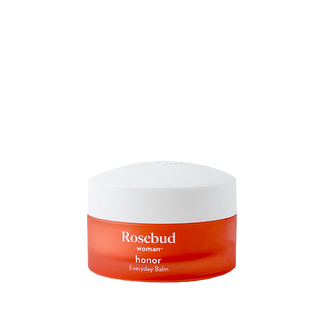
Our pick: Honor
Honor is our everyday vaginal moisturizer — hormone-free, fragrance-free, and made with 100% plant-based oils. It's OB/GYN-approved and formulated specifically for vulvar and vaginal dryness, whether from menopause, hormonal shifts, or postpartum recovery.
- Nourishing evening primrose, jojoba, and meadowfoam oils support the skin barrier
- Soothing chamomile and ginger calm irritation
- No parabens, no synthetics, no fragrance
- Safe for daily, long-term use — a little goes a long way
How to use: apply a small amount to the vulva and vaginal opening as needed; daily is fine.
Honor is a cosmetic moisturizer for comfort and skin health — not a medication. If your dryness is significant, it can be used alongside medical treatment; ask your provider whether vaginal estrogen is also right for you.
When to see a doctor
Reach out to a healthcare provider if you have:
- Dryness that a daily moisturizer isn't relieving
- Pain during sex or daily activities
- Any bleeding, unusual discharge, or a sudden change
- Recurrent UTIs (which can be linked to menopausal tissue changes)
Menopause-related dryness (GSM) is common, treatable, and nothing to be embarrassed about — and low-dose vaginal estrogen is a safe, effective option for many women when moisturizers alone aren't enough.
Common questions
Can I use a vaginal moisturizer every day? Yes — that's how moisturizers are meant to be used, unlike lubricants. Honor is safe for daily, long-term use.
Do I still need a lubricant? They serve different purposes. Many women use a daily moisturizer for ongoing comfort and a lubricant during sex.
Is hormone-free as effective as estrogen? For mild everyday dryness, moisturizers are first-line and often enough. For moderate-to-severe GSM, vaginal estrogen is more effective — and the two can be combined.
Sources & Further Reading
- The Menopause Society — Genitourinary Syndrome of Menopause (MenoNote) — first-line moisturizers/lubricants and low-dose vaginal estrogen.
- ACOG — Vulvovaginal Health (FAQ) — moisturizers, lubricants, and low-dose vaginal estrogen for dryness.
- ACOG — Disorders of the Vulva — fragrance/perfume as a cause of vulvar contact dermatitis.
- Mayo Clinic — Vaginal dryness after menopause.
- Portman & Gass (2014) — GSM terminology consensus (NAMS/ISSWSH), Maturitas.
Explore more
Explore more on intimate & vaginal health in our everyday intimate care collection, and keep reading:
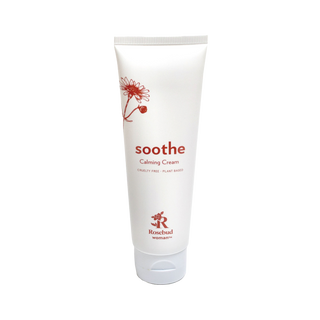
What can help: For daily intimate care, explore Honor, our everyday vaginal moisturizer, and Soothe for delicate skin.
Shop what’s in this story
Frequently asked
Can I use a vaginal moisturizer every day?
Is a hormone-free moisturizer as effective as vaginal estrogen?
What ingredients should I avoid in a vaginal moisturizer?
When should I see a doctor about vaginal dryness?
References
- Genitourinary Syndrome of Menopause (MenoNote)— The Menopause Society
- Vulvovaginal Health (FAQ)— ACOG
- Vaginal dryness after menopause: How to treat it?— Mayo Clinic
- Genitourinary Syndrome of Menopause (Portman & Gass, 2014)— Maturitas (NAMS/ISSWSH consensus)