


Preparing and Caring for Your Body: Perineal Massage and Postpartum Recovery
Do you know a woman preparing for birth?
Each year in the U.S., around 68% of births are vaginal deliveries (about 2.4 million) and 32% are C-sections. While these birth experiences are different, both involve significant changes to skin, muscles, and connective tissue, and both benefit from gentle, supportive care before and after delivery.
Before Birth: Perineal Massage
In the last 4–6 weeks of pregnancy, gentle perineal massage can help prepare the tissues between the vaginal opening and anus (the perineum) for stretching during birth.
- Why it matters: A 2013 Cochrane Review found that women who practiced perineal massage late in pregnancy were less likely to have significant tearing or need an episiotomy.
- How it’s done: With clean hands and a nourishing lubricant, massage the perineal area for a few minutes several times a week. This helps increase elasticity, improve blood flow, and reduce tension.
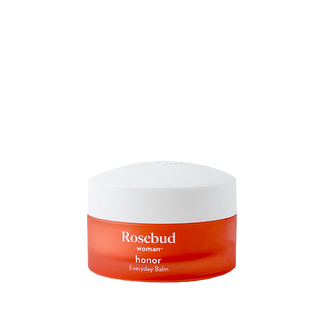
- What to use: A gentle, plant-based balm like Honor Everyday Balm can provide slip, hydrate delicate skin, and support suppleness.
After Birth: Postpartum Topical Care
- Vaginal Delivery: Once your provider confirms healing has begun, massaging the perineum with Honor Everyday Balm can help maintain moisture, comfort, and elasticity in the recovering tissues.
- C-Section: While there’s no perineal trauma, C-section recovery involves a surgical incision. After it has fully healed and your provider gives the all-clear, gentle application of Honor Everyday Balm can help hydrate and soften scar tissue, supporting flexibility and comfort.
Birth is both beautiful and physically demanding. Thoughtful preparation before delivery and consistent care afterward can support comfort, healing, and long-term pelvic health.
Shop what’s in this story
Frequently asked
When should I start perineal massage before birth?
Most providers recommend beginning gentle perineal massage in the last 4 to 6 weeks of pregnancy, typically from around 34 to 35 weeks. Practicing a few minutes several times a week helps increase the elasticity and blood flow of the tissue between the vaginal opening and anus, so it can stretch more easily during delivery. Always check with your own care provider before starting.
Does perineal massage actually reduce tearing?
The evidence is strongest for first-time mothers. A Cochrane systematic review found that women who practiced antenatal perineal massage were less likely to experience trauma requiring stitches and less likely to need an episiotomy, with the clearest benefit for those who had not given birth vaginally before. Some multiparous women also reported less ongoing perineal pain afterward.
What can I use as a lubricant for perineal massage?
Use clean hands and a gentle, plant-based product that provides slip and hydrates delicate skin. A nourishing balm such as Honor Everyday Balm can add glide, support suppleness, and soothe the tissue without harsh ingredients. Avoid anything heavily fragranced or irritating to intimate skin.
How is postpartum care different after a C-section?
A C-section does not involve perineal trauma, but it does leave a surgical incision that needs to heal. Once the incision has fully closed and your provider gives the all-clear, gentle application of a nourishing oil or balm can help hydrate and soften scar tissue, supporting flexibility and comfort as you recover.
References
- Antenatal perineal massage for reducing perineal trauma (Cochrane Systematic Review)— Cochrane Database of Systematic Reviews
- Antenatal perineal massage for reducing perineal trauma— PubMed (National Library of Medicine)
- The prevention of perineal trauma during vaginal birth— American Journal of Obstetrics & Gynecology






Related Articles



Christine Mason
Founder & Author, Rosebud Woman
Christine Marie Mason is the founder and CEO of Rosebud Woman, a leading brand in women’s intimate wellness and self-care. She is the author of six books on embodiment, intimacy, and awakening, and the host of The Rose Woman podcast—ranked in the top 5% worldwide. A longtime yoga and consciousness teacher, Christine writes and speaks on women’s health, sexuality, and midlife vitality, helping people cultivate love, reverence, and radiant wellbeing in every stage of life.