The Lowest Ebb & An Invitation
The Lowest Ebb & an Invitation
The light has been draining for months, so gradually we almost didn't notice—until suddenly the darkness has weight, has presence, has something to say.
Even in Hawaii, even at the equator—and more so the farther north we go—the body registers this turning. The pull inward. The asking for slowness, for quiet, for the deep rest that winter makes possible.
You've felt it. And you've learned to trust it. (Or you're learning. Some years we do better than others. I’m not immune to the siren call of one more task, one more email, one more tiny thing before I let myself stop!)
The solstice is a threshold and a turning place. The moment when descent completes itself and becomes, without any effort on our part, the beginning of return.
Women's bodies know ebb and flow intimately. We cycle. We wax and wane. Through birth, through blood, through the passage of menopause, we understand, in our tissues, that emptiness precedes fullness. That the void is not nothing but pregnant dark.
This knowing lives in you already. The solstice is just a good ritualized reminder to listen to it.
Self-inquiry has an ancient pedigree. In the yogic traditions, it's called vichara: not thinking about yourself but turning attention toward source. Who is resting? Who is listening? Who has been waiting for this dark? When you have a thought, you ask: who is having this thought, and something opens in awareness.
Winter, with its long nights, is good for these contemplations.
You can’t will rebirth, you can only prepare the ground, clear the debris, soften into the waiting. But the turning itself—the moment when light begins its return—happens to you, not by you. It's woven into the structure of things, as certain as the earth's tilt, as inevitable as dawn.
Which is honestly a relief. One less thing to manage.
The body is already engaged in self-inquiry, whether we consciously participate or not. Cells are asking, moment by moment: What's needed? What's finished? The immune system questions every surface it encounters. The womb, if you still have one and are still bleeding, asks monthly whether to build or release.
We can join this conversation through listening, curiosity, and willingness. The darkest night asks nothing of us but presence. That's the whole assignment.
The light will return. It always does. Not because we've earned it but because it is the nature of light. The ebb contains the flow. The lowest point is also the turning point: same moment, different angle.
So this solstice, I'm keeping the appointment. Letting the dark be fully dark. Softening where there's still holding. Listening for the questions that only arise in genuine stillness—the ones that come from the body, from the soul, from whatever keeps turning the world toward morning.
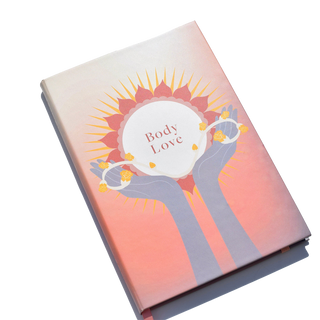
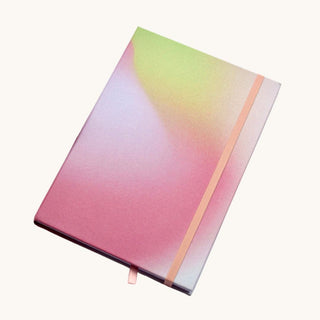
If you want companionship for the descent, we have two journals for the journey. One is open-ended—ninety-six lined pages for whatever emerges from your own inquiry. The other is a nine-week guided passage through body love, carrying you from the darkest night into the first stirrings of spring. But the journal is just a vessel. The practice is simpler and older: go quiet, go inward, let the questions come.
I also have a book out that is, perhaps strangely, appropriate for the meditations of the solstice, and that is The Mystic Heart of Easter, which looks at Love, Death, and Rebirth through a tantric lens, and applies it to seasons and life passages, as well as the literal liturgical easter.
With love from the dark,
Christine Marie Mason
Join us for our Living Tantra Community Call
Sunday, Dec 21, 2025
9 am Pacific/noon Eastern
Zoom
Shop what’s in this story
Frequently asked
What is the winter solstice and why does it feel significant in the body?
What is self-inquiry, or vichara?
How does the solstice relate to women's cyclical wisdom?
How can I mark the solstice as a personal ritual?






Related Articles