The Menopause Revolution. Oprah's ABC Special. Growing Support & Innovation
What are the latest data and trends in Menopause?
Perimenopause and menopause care are no longer invisible. For far too long, this natural life stage, which affects half the population, was dismissed by healthcare systems, workplaces, and society at large. But now, a dynamic and necessary shift is happening and one led by a passionate community of activists, entertainers, medical professionals, and wellness brands committed to reshaping the narrative and making menopause care more accessible, equitable, and empowering.
A Cultural Shift Toward Menopause Awareness
Menopause was once a quiet part of aging, shrouded in stigma and left to the margins of medical discourse. Today, the silence is being shattered. Powerful voices like Naomi Watts, Halle Berry, and Oprah Winfrey are using their platforms to normalize the conversation, while trailblazing medical leaders like Dr. Mary Claire Haver are amplifying the call for better education and holistic support.
On March 31st, Oprah will air a groundbreaking primetime special on ABC, dedicated to menopause—mark your calendars and join the movement. And not too long ago, the documentary MFactor brought to light the urgent need for innovative solutions in menopause care, sparking much-needed dialogue about the future of midlife wellness.
Innovation & Industry Growth
The menopause market is poised for growth—billions of dollars worth, to be precise. This surge reflects a long-overdue shift in demand and investment, as women and healthcare systems alike begin to prioritize this critical phase of life. From night sweats to sleep disruptions, vulvar care to hormone replacement therapies, brands are stepping forward with groundbreaking solutions.
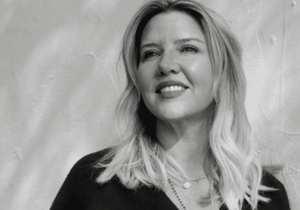
Rosebud Woman has been a leader in this space since 2018, when founder Christine Marie Mason, a thought leader in the menopause dialogue, developed a line of products specifically designed to address the most common symptoms of menopause. Her vision was clear: to create solutions that empower women through this transition and offer them the support they deserve.
Christine’s approach has been shaped by both personal experience and a deep understanding of the systemic gaps in medical and menopause care. Through her products, Rosebud Woman has become a trusted voice in midlife wellness, offering women holistic solutions while leading the charge in raising awareness and normalizing the conversation around menopause.
The Fight Against Censorship in Women’s Health
But even as awareness blooms, we face an uphill battle: censorship of women’s health content across digital platforms. The Center for Intimacy Justice has exposed widespread suppression of educational materials on menopause, sexual wellness, and reproductive health. Meanwhile, ads for male-focused health products, like those for erectile dysfunction, continue to dominate the digital landscape.
This digital silencing means essential information—knowledge that could empower millions of women to navigate perimenopause and menopause with confidence—is often hidden. It disproportionately impacts organizations striving to close the gender health gap. Advocacy is urgently needed to ensure equitable representation and unfettered access to critical health education.
Bridging the Healthcare Gap
While strides are being made, there is still much work to be done in healthcare. A glaring gap exists in medical training, as many healthcare providers have little or no formal education on menopause. This leaves women navigating a maze of misinformation and frustration as they seek proper care. Dr. Mary Claire Haver, who only realized the depth of these gaps after experiencing perimenopause herself, is one of many dedicated experts working tirelessly to bridge that gap.
The Menopause Experience is Not One-Size-Fits-All
Menopause is deeply personal, with symptoms and care needs differing widely across race, ethnicity, and socioeconomic status. We must ensure the conversation is inclusive and leaving no woman behind. Everyone deserves access to the support and information that can help them navigate this life transition with dignity, confidence, and grace, no matter their background.
What’s Next?
The menopause movement is just beginning. As awareness spreads, so too does the potential for more inclusive education, supportive workplace policies, and innovative healthcare solutions. We invite you to be part of this movement—engage, learn, and advocate for the future of menopause care.
Join the Menopause Revolution
Watch Oprah’s Menopause Special on March 31st
Explore resources like MFactor and connect with leading experts in the field
Advocate for fair access to women’s health education on social media and beyond
Support brands dedicated to empowering midlife wellness
Menopause isn’t a crisis: it’s a transition. And with the right care, community, and resources, it can be one of the most empowered chapters of life.
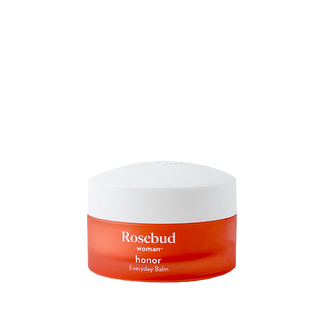
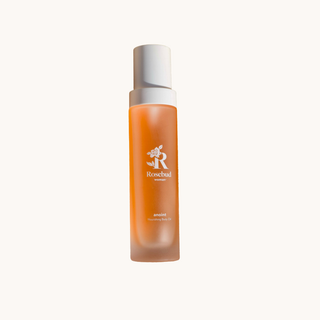
Shop what’s in this story
Frequently asked
What is the difference between perimenopause and menopause?
Why is menopause getting so much more attention now?
What are common symptoms women can address during menopause?
Is menopause a medical crisis or a natural transition?
References
- Menopause: What It Is, Age, Stages, Signs & Side Effects— Cleveland Clinic
- Perimenopause: Age, Stages, Signs, Symptoms & Treatment— Cleveland Clinic
- The 2022 Hormone Therapy Position Statement of The North American Menopause Society— The Menopause Society (NAMS)






Related Articles