Frequent UTIs and Vaginal Dryness: The Overlooked Connection
Did you know that vaginal dryness can increase the risk of frequent UTIs?
For many women, recurrent urinary tract infections (UTIs) can feel like an endless cycle: discomfort, antibiotics, relief for a while, and then it starts again. One overlooked cause of frequent UTIs is vaginal dryness, a condition that becomes more common during perimenopause, menopause, postpartum, or even times of high stress.
When estrogen levels decline, the vaginal tissue can thin and lose moisture. Without this natural lubrication, the tissue becomes more fragile and prone to microtears and irritation, making it easier for bacteria to enter the urinary tract. This connection between vaginal dryness and frequent UTIs is rarely talked about, yet it plays a vital role in women’s long-term health.
The Link Between Vaginal Dryness and UTIs
- Fragile tissue, less protection: Dry tissue offers less of a barrier to harmful bacteria.
- Intimacy challenges: Vaginal dryness can make intimacy uncomfortable, leading to reduced circulation and tissue resilience.
- Disrupted microbiome: Frequent antibiotic use for UTIs can upset the balance of the vaginal microbiome, worsening dryness and increasing the risk of repeat infections.
Natural Ways to Prevent Frequent UTIs
If you’re experiencing recurrent UTIs linked to vaginal dryness, there are simple, natural steps you can take to support your body:
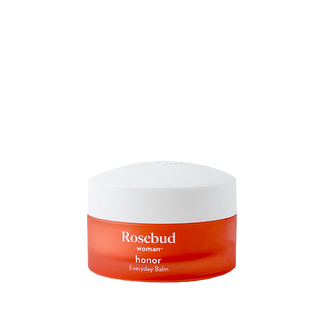
- Daily moisturization: Regular intimate hydration helps maintain tissue integrity and reduces irritation. Honor Everyday Balm, a plant-based intimate moisturizer, was created to soothe vulvovaginal dryness with nourishing botanicals. Using a balm like Honor consistently can help restore suppleness, comfort, and resilience while reducing the risk of irritation that may contribute to UTIs.
- Support the vaginal microbiome: Probiotics, a nutrient-rich diet, and gentle, pH-balanced personal care products can help maintain balance and prevent infection.
- Consult your provider: In some cases, vaginal estrogen therapy or other medical treatments may be recommended to restore tissue health.
- Simple lifestyle care: Stay hydrated, urinate after intimacy, and avoid harsh soaps or synthetic fabrics that irritate delicate skin.
Reclaiming Comfort and Vitality
Frequent UTIs are not just a bladder problem. They are often a sign of vaginal health imbalance. By addressing vaginal dryness with consistent care and prevention strategies, you can break the cycle of infection and reclaim comfort and confidence.
Making Honor Everyday Balm part of your daily self-care ritual is a simple, natural way to protect intimate tissues, nourish your body, and support urinary tract health. When we treat dryness with the same care we give to other parts of our body, we honor not only our physical well-being but also our sense of vitality and wholeness.
Shop what’s in this story
Frequently asked
Can vaginal dryness really cause frequent UTIs?
Why does low estrogen change my UTI risk?
Does a daily intimate moisturizer help prevent UTIs?
When should I see a doctor about recurrent UTIs?
References
- Vaginal Atrophy: Causes, Symptoms, Diagnosis & Treatment— Cleveland Clinic
- Genitourinary syndrome of menopause: Common problem, effective treatments— Cleveland Clinic Journal of Medicine
- The Genitourinary Syndrome of Menopause: An Overview of the Recent Data— NIH / PMC






Related Articles