GLP-1 Medications and Women’s Intimate Health: Understanding Vaginal Dryness
When women use GLP-1s, what happens to our vaginal and intimate health?
GLP-1 medications such as semaglutide (Ozempic, Wegovy) and tirzepatide (Mounjaro, Zepbound) are transforming lives. They are helping people manage weight, blood sugar, and heart health in ways that once felt out of reach. The promise of these therapies is profound.
Yet, as with any powerful shift in the body, there can be subtler effects. One that is not often talked about, but deeply matters to women’s daily comfort and confidence, is vaginal dryness. Bringing this conversation into the open allows women to better understand their bodies and make choices that support well-being.
How GLP-1s Can Impact Intimate Health
The tissues of the vagina and vulva are among the most sensitive and responsive in the body. They rely on a delicate balance of hormones, hydration, circulation, and microbial harmony to stay soft, supple, and resilient. GLP-1 medications can shift this balance in several ways:
-
Hormonal changes: Rapid weight loss can lower estrogen, since fat tissue helps produce it. With less estrogen, tissues may become thinner and less elastic. Nearly half of women over 40 experience dryness linked to hormonal change.
-
Dehydration: Side effects like nausea or reduced appetite may leave the body less hydrated. When overall hydration drops, the skin, lips, and intimate tissues often feel it first.
-
Whole-body shifts: These medicines can also influence the nervous system and microbiome, systems that support lubrication, arousal, and comfort. Changes here may show up as irritation or a sense of fragility in intimate areas.
What Happens in the Body When Dryness Occurs
-
Estrogen declines: vaginal walls become thinner, less elastic, and less able to produce natural moisture.
-
Blood flow decreases: less circulation means less natural swelling and lubrication.
-
Protective mucous layer thins: tissues feel more fragile and can irritate easily.
-
Microbiome and pH shift: changes in vaginal bacteria can worsen dryness and irritation.
-
Hydration and nutrition matter: low fluids or nutrients further reduce tissue resilience.
How It May Feel
Women on GLP-1 therapies often describe:
-
Day-to-day dryness or irritation
-
Discomfort or pain with intimacy
-
A sense that tissues feel more delicate than before
And while dryness and pain are part of the equation, it can also affect urinary comfort, body confidence, and overall well-being.
Gentle Support for Vaginal Dryness
Medical treatments such as topical estrogen exist, but many women prefer to begin with natural, hormone-free care.
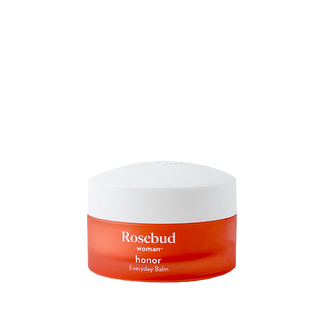
That is why we created Honor Everyday Balm. This rich, plant-based formula is crafted to help moisturize and restore the vulva and surrounding skin. With a patented complex botanicals that soothe, hydrate, and protect, Honor offers a daily ritual of care and nourishment for the most delicate tissues.
Every body is unique, and every woman’s journey with GLP-1s, as with life, will look a little different. If you notice changes in your intimate health, know that you are not alone and that there are supportive options available to you. From hydration and nutrition to natural topicals and medical care, tending to vaginal health is part of tending to your whole self.
Always consult with your physician or healthcare provider before beginning or changing any medical treatment.
Shop what’s in this story
Frequently asked
Can GLP-1 medications like Ozempic cause vaginal dryness?
Why does weight loss affect estrogen and vaginal moisture?
How can I relieve vaginal dryness on a GLP-1 without hormones?
Should I stop my GLP-1 medication because of vaginal dryness?
References
- Experiencing Vaginal Dryness? Here's What You Need to Know— American College of Obstetricians and Gynecologists (ACOG)
- Vaginal Atrophy: Causes, Symptoms, Diagnosis & Treatment— Cleveland Clinic
- The Genitourinary Syndrome of Menopause: An Overview of the Recent Data— NIH / PMC






Related Articles