


Taking the Frustration Out of Menstruation from our Healthcare Partner, UofL Health
Content Feature from University of Louisville Physicians - Women's Sexual Health Clinic
March is Endometriosis Awareness Month and we are spreading the word with a few helpful tips and tricks. For those that don’t know, endometriosis is a common disorder in which tissue that normally lines the inside of the uterus grows outside of the uterus, causing painful and irregular period symptoms. One of the most common symptoms is: excruciating menstrual cramps before, during and after your menstrual cycle.
Are cramps putting a cramp on your lifestyle? View a curated list of tried-and-true methods to reduce the pain and alleviate symptoms.
- Apply heat – Whether you’re using a heat patch or a heating pad, heat can help relax the uterus muscles. It’s shown that heat can relieve cramps and may be even more effective than taking an over-the-counter pain reliever.
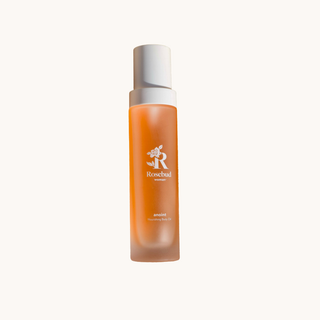
- Use oils – We all love a massage, but who knew massaging essential oils onto your abdomen could reduce cramping pain? The best oils to use are lavender, sage, rose, marjoram, cinnamon and clove. These oils can also be combined with castor oil and rubbed directly onto your skin. If you have sensitive skin, talk with your dermatologist before pursuing this route.
- Take a pain reliever – Over-the-counter pain reducers are known to relieve many forms of pain, but nonsteroidal anti-inflammatory drugs (NSAIDs) are going to provide the best relief. These medicines reduce inflammation and the number of prostaglandins made inside your body. Recommended NSAIDs include ibuprofen (Advil, Motrin), Naproxen (Aleve) and aspirin (Bufferin).
- Light exercise – In a recent study, scientists found that women who did 30 minutes of low-to-medium exercise at least three times a week had significantly reduced period cramping pain levels. This could look like ten minutes of yoga before bed or a brisk walk in the mornings. Something to get your body moving and heart rate up should do the trick.
- A warm bath – A luxurious soak in the tub with your essential oils and Epsom salt will surely provide some much-needed relief and relaxation. Get the most out of your soak by spending at least 15 minutes in the warm water, but don’t forget to drink water as the heat may dehydrate you.
- Take supplements – There are many over the counter vitamins that prove effective in treating period cramps. Magnesium, cinnamon, ginger, calcium, B1, B6, B12, E, D and fish oil are among the best at reducing cramping pain. Before trying out a new supplement, be sure to check with your doctor to discuss dosage levels and interactions with other medications.
- Enjoy a healthy snack – Did you know there are foods that reduce inflammation within your body? These snacks are always a healthy option but provide extra benefits when you’re experiencing pain. These foods include berries, fatty fish, avocado and extra virgin olive oil. Add a little dark chocolate to the mix to boost your happy hormone – serotonin.
- Avoid these snacks – When dealing with painful period cramps, it’s a good idea to limit foods that cause water retention, bloating and discomfort. Snacks high in sodium, fat and sugar are known to be problematic. Caffeine, alcohol and dairy are good to avoid as well.
- Consider birth control – When home remedies aren’t working it may be time to consider medication. One of the benefits of hormonal birth control is the treatment and regulating of irregular, painful periods. Many forms of birth control reduce the amount and severity of period cramps, including the pill, intrauterine device (IUDs), Depo-Provera shot, vaginal ring, patch and implant. Consult your primary care provider or OB/GYN for more information pertaining the use of birth control.
“Heat can relieve cramps and may be even more effective than taking an over-the-counter pain reliever.”
Shop what’s in this story
Frequently asked
What helps period cramps at home?
Heat from a pad or patch relaxes the uterine muscles and may work as well as a pain reliever. Anti-inflammatory pain relievers such as ibuprofen or naproxen, a warm bath of fifteen minutes or more, and light exercise can all help. Anti-inflammatory foods like berries, fatty fish and olive oil support the body too.
Can exercise reduce period pain?
Yes. In one study, women who did about thirty minutes of low- to moderate-intensity exercise at least three times a week had significantly less cramping pain.
When should I see a doctor about painful periods?
When home remedies aren't enough, or cramps are severe before, during and after your period. Excruciating cramps can be a sign of endometriosis, a common condition in which tissue like the uterine lining grows outside the uterus. Hormonal birth control and other treatments can help, so talk with your OB/GYN or primary care provider.
References
- Taking the Frustration Out of Menstruation— UofL Health






Related Articles



Christine Mason
Founder & Author, Rosebud Woman
Christine Marie Mason is the founder and CEO of Rosebud Woman, a leading brand in women’s intimate wellness and self-care. She is the author of six books on embodiment, intimacy, and awakening, and the host of The Rose Woman podcast—ranked in the top 5% worldwide. A longtime yoga and consciousness teacher, Christine writes and speaks on women’s health, sexuality, and midlife vitality, helping people cultivate love, reverence, and radiant wellbeing in every stage of life.