Urinary Incontinence and the Pelvic Floor
About half of women experience urinary incontinence at some point, according to the National Institute of Diabetes and Digestive and Kidney Diseases. It's common after childbirth and through the menopause transition, and it's one of the most treatable conditions a woman can have. Treatment starts with a muscle group most of us were never taught to find.
The two main kinds
Stress incontinence is leaking when pressure rises in the abdomen: a laugh, a sneeze, a jump, lifting a toddler. The pelvic floor and the sphincter around the urethra aren't closing firmly enough against that pressure.
Urgency incontinence is a sudden, strong need to go that arrives faster than you can reach a toilet, sometimes set off by running water or the key in the front door. The bladder muscle contracts before you've chosen to empty it. Many women have some of both, called mixed incontinence.
What the pelvic floor does
The pelvic floor is a hammock of muscle spanning the base of the pelvis, from pubic bone to tailbone. It holds the pelvic organs in place and closes around the urethra and anus, then relaxes to let you empty. It also contracts rhythmically in orgasm. Like any muscle it can grow weak, and it can also grow tight and overworked. Either can lead to leaking.
The evidence for training
A Cochrane review pooled 31 trials with 1,817 women. Women with stress incontinence who did pelvic floor muscle training were about eight times more likely to report being cured than women who didn't: 56 percent against 6 percent. Across all types of incontinence, training made cure about five times more likely. The reviewers recommend it as the first treatment to try.
Finding the muscles
- Locate. Imagine stopping the flow of urine and holding in gas at the same time. That gentle lift and squeeze is the pelvic floor, while your buttocks and thighs stay soft. Use the image to find the muscles, then practice with an empty bladder.
- Lift and let go. Contract for a few seconds, then release fully for the same count. The release matters as much as the squeeze.
- Add quick pulses. Short, brisk contractions train the fast reflex that catches a sneeze.
- Brace before pressure. Tighten just before you cough, lift or jump. Physical therapists call this the knack.
Strength builds with consistent practice, the way it does anywhere in the body. If the exercises bring pain, or you can't tell whether you're contracting, see a pelvic floor physical therapist. They can assess by touch or biofeedback and tailor the work, especially when muscles are tight rather than weak. Our piece on what pelvic floor therapy is and how it helps explains what a visit looks like, and our partners at Carolina Pelvic Health Center wrote about returning to running after birth.
Tissue matters too
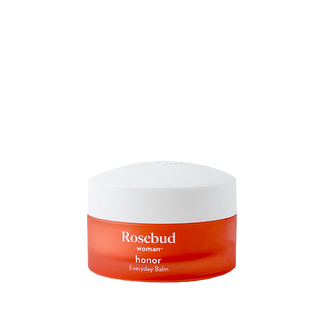
After menopause, lower estrogen thins vaginal and urethral tissue, which can add to urgency and frequent infections. Local vaginal estrogen is one option to discuss with a clinician. Daily moisture supports comfort: Honor, our everyday vaginal moisturizer and intimate balm, is made for dry, tender tissue.
Leaking is information from a body asking for strength and attention. It responds when you give it both.
“The release matters as much as the squeeze.”
Shop what’s in this story
Frequently asked
How common is urinary incontinence in women?
Do Kegel exercises work for bladder leaks?
What's the difference between stress and urgency incontinence?
When should I see a pelvic floor physical therapist?






Related Articles