Select Herbs for Menopause
Plants have walked beside women through the change for as long as there have been gardens and healers. Many women now reach for them again, looking for relief from hot flashes, restless nights and shifting moods. Here are eight botanicals with research behind them, what that research shows, and what to know before you begin.
A grounding note first. The Menopause Society's 2023 position statement on nonhormone therapies doesn't recommend herbal supplements for hot flashes, because study results have been small and inconsistent. Hormone therapy and several nonhormonal prescriptions have far stronger evidence, and our letter on the continuum of intervention explores how to choose among them. Herbs can still have a place in your care. Bring your clinician into the choice, especially if you take prescription medicines or have a history of breast cancer or another hormone-sensitive condition.
At a glance
| Herb | Studied for | Key caution |
|---|---|---|
| Black cohosh | Hot flashes | Rare liver injury; mislabeled products |
| Red ginseng | Overall symptoms, cholesterol | Blood sugar and drug interactions |
| St. John's wort | Mood, hot flashes | Serious interactions with many medicines |
| Schisandra | Hot flashes, sweating, palpitations | One small trial so far |
| Rhapontic rhubarb root | Perimenopausal symptoms | Studied as one specific extract |
| Pine bark extract | Perimenopausal symptoms | Check with blood thinners |
| Pomegranate seed oil | Hot flashes | No clear benefit over placebo |
| EstroG-100 blend | Overall symptoms | Research largely from one proprietary blend |
1. Black cohosh
Actaea racemosa
A woodland herb native to eastern North America, black cohosh has the longest research record of any menopause botanical. Its root is the part used. It behaves differently from estrogen in the body and shouldn't be treated as an herbal substitute for it.
What research shows. A 2023 review summarized by the National Center for Complementary and Integrative Health found black cohosh products potentially helpful for overall menopause symptoms, with improvements in hot flashes but not in anxiety or low mood.
Keep in mind. Cases of liver damage, some serious, have been reported in people taking products labeled black cohosh, though it's uncertain whether the herb caused them. Some commercial products have also contained the wrong plant. Choose a reputable brand, skip it if you have liver concerns, and call your clinician if you notice dark urine or unusual fatigue.
In the garden. Black cohosh loves rich, moist soil high in organic matter and dappled shade, and it's often grown under the forest canopy the way it grows in the wild.
2. Red ginseng
Panax ginseng
Red ginseng is Korean ginseng root that has been steamed and dried, a preparation prized in East Asian medicine as a tonic for vitality.
What research shows. In a 12-week double-blind trial of 72 postmenopausal women in Korea, those taking red ginseng reported relief from menopausal symptoms and saw total and LDL cholesterol fall, while their estradiol levels stayed the same.
Keep in mind. Ginseng can lower blood sugar and may interact with blood thinners and diabetes medicines. The researchers themselves called for more study of long-term safety.
3. St. John's wort
Hypericum perforatum
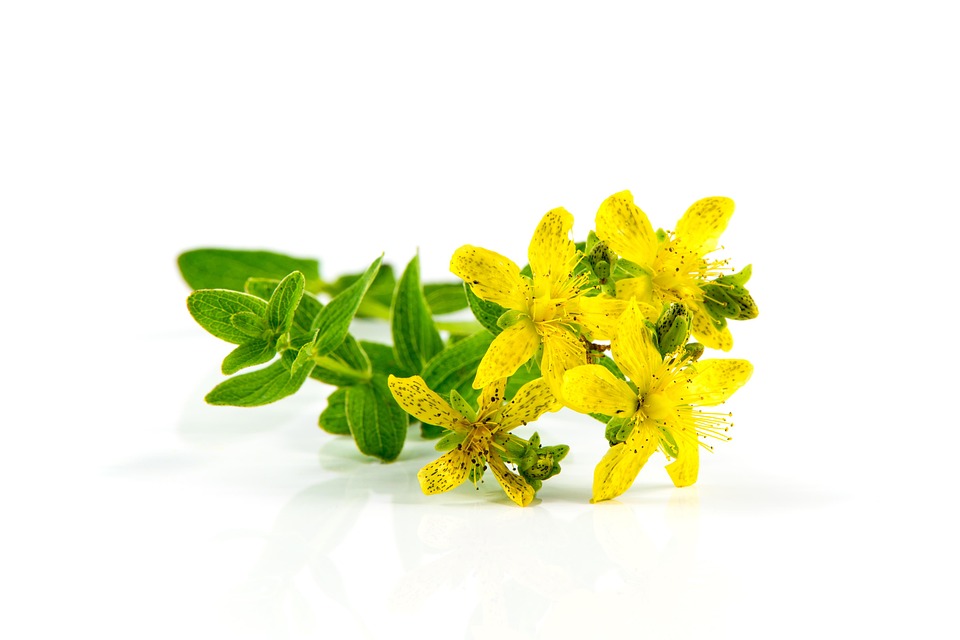
St. John's wort is best known for mood. There's good evidence that it helps mild to moderate depression, and small studies suggest it may also ease menopausal hot flashes.
Keep in mind. This is the herb on this list that most needs a conversation with your clinician. It speeds the breakdown of many medicines and can make them less effective, including birth control pills, blood thinners, some heart and cancer drugs, and several antidepressants. Combined with antidepressants or other serotonin-affecting drugs, it can cause serious side effects. Never add it to a prescription antidepressant on your own.
In the garden. Its yellow, star-shaped five-petaled flowers open from early summer into August in sunny, well-drained ground, and bees love it.
4. Schisandra
Schisandra chinensis
Called the five-flavor berry in Chinese medicine, schisandra has long been used as a tonic for vitality, sleep and the liver.
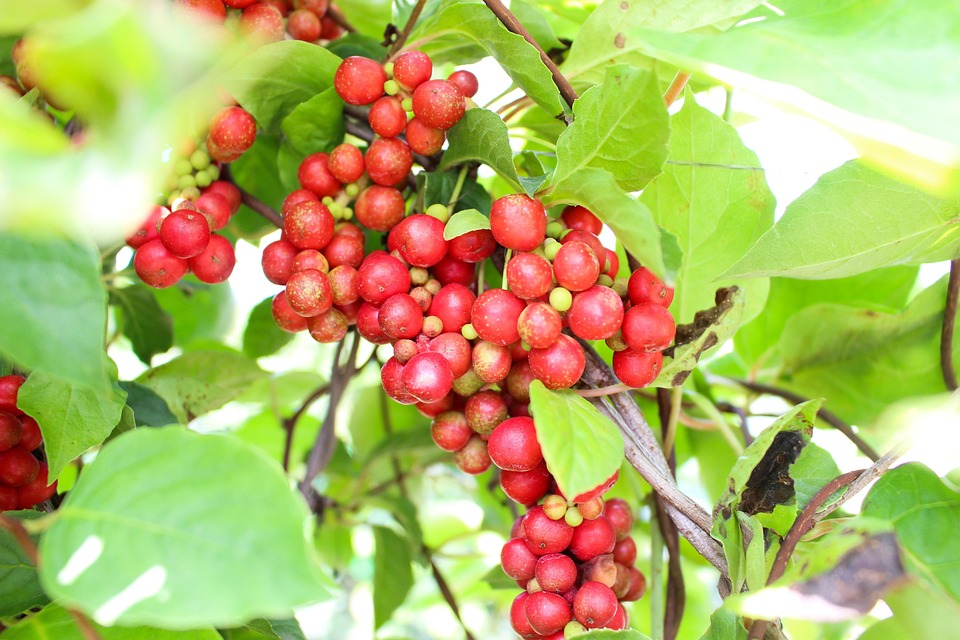
What research shows. In a small Korean trial of 36 women, six weeks of schisandra eased hot flashes, sweating and heart palpitations more than placebo. By week 12, overall symptom scores had dropped 41 percent in the schisandra group against 27 percent with placebo. Sexual and urinary symptoms didn't change.
Keep in mind. One small trial is a promising start, and larger studies are still needed.
In the garden. The vine thrives in partial to full shade in moist, well-drained soil amended with compost, and it prefers a cool climate.
5. Rhapontic rhubarb root
Rheum rhaponticum
A cousin of garden rhubarb, rhapontic rhubarb is used as a root extract rather than the familiar stalk.

What research shows. In a 12-week placebo-controlled trial of perimenopausal women, a specific extract called ERr 731 significantly reduced hot flashes and other menopause complaints, and longer follow-up studies reported the benefit holding.
Keep in mind. The research is on that one standardized extract, so a rhubarb pie or a generic rhubarb supplement won't be the same thing.
6. Pine bark extract
Pinus pinaster
Made from the bark of the maritime pine that grows along the coast of southwest France, this extract is rich in antioxidant compounds and is often sold as Pycnogenol.

What research shows. In a six-month trial of 155 perimenopausal women in Taiwan, 200 mg a day improved symptoms including hot flashes, mood and sleep compared with placebo, and lowered LDL cholesterol.
Keep in mind. Pine bark may affect clotting, so check with your clinician if you take a blood thinner or have surgery coming up.
7. Pomegranate seed oil
Punica granatum
Pomegranate has a long history in Mediterranean and Ayurvedic traditions for women's health, and its seed oil contains plant compounds with mild estrogen-like activity.

What research shows. In a 12-week trial of 81 postmenopausal women, hot flashes fell 39 percent with pomegranate seed oil and 26 percent with placebo, a gap too small to count as a real effect. For now its benefit for hot flashes remains unproven, though the fruit itself is a joy to eat.
8. EstroG-100
Cynanchum wilfordii, Phlomis umbrosa and Angelica gigas
This proprietary blend of three herbs from Korean traditional medicine is sold in the US under the name EstroG-100.
What research shows. In a 12-week multicenter trial of 105 women, the blend improved overall menopause symptom scores more than placebo, including fatigue, nervousness and joint and muscle aches.
Keep in mind. Most of the research comes from the maker's own studies of this single product.
Tending from the outside
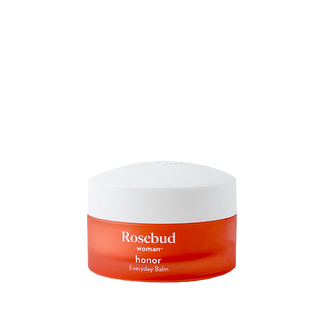
Botanicals work through the skin as well. Vaginal dryness is one of the most common changes of menopause, and it doesn't ease with time the way hot flashes often do. Honor, our everyday vaginal moisturizer and intimate balm, is made with plant oils for dry, tender tissue and can sit alongside whatever else you choose.
Whichever plants you invite in, go slowly. Start with one, notice how your body responds over a few months, and keep your clinician in the conversation.
“Whichever plants you invite in, go slowly, and keep your clinician in the conversation.”
Shop what’s in this story
Frequently asked
Which herb has the most research for menopause symptoms?
Do herbal supplements work for hot flashes?
Is St. John's wort safe to take during menopause?
Does pomegranate seed oil help hot flashes?
References
- The 2023 nonhormone therapy position statement of The North American Menopause Society— Menopause via PubMed
- Black Cohosh— NIH National Center for Complementary and Integrative Health
- St. John's Wort— NIH National Center for Complementary and Integrative Health
- Effects of red ginseng supplementation on menopausal symptoms and cardiovascular risk factors in postmenopausal women (Kim et al., 2012)— Menopause via PubMed
- A randomized, double-blind, placebo-controlled trial of Schisandra chinensis for menopausal symptoms (Park & Kim, 2016)— Climacteric via PubMed
- Efficacy and safety of a special extract of Rheum rhaponticum (ERr 731) in perimenopausal women (Heger et al., 2006)— Menopause via PubMed
- A randomised, double-blind, placebo-controlled trial on the effect of Pycnogenol on the climacteric syndrome in peri-menopausal women (Yang et al., 2007)— Acta Obstetricia et Gynecologica Scandinavica via PubMed
- Pomegranate seed oil in women with menopausal symptoms (Auerbach et al., 2012)— Menopause via PubMed
- A 12-week multi-center randomized placebo-controlled trial of EstroG-100 on menopausal symptoms— Journal of Reproductive Medicine, Gynecology & Obstetrics






Related Articles