


Understanding and Coping with the Changes Brought on by Menopause from our Healthcare Partner, NorthShore University
Content from Northshore University
One important thing for women to understand about menopause is that it is a natural part of the aging process. Although the age at which it starts may vary, it eventually will happen to all women.
Margaret Salamon, MD, Gynecologist at NorthShore, offers the following suggestions for relieving some of the discomforts that menopause may bring:
- Know your hot flash triggers. If you can identify what brings on your hot flashes, you can work on finding ways to reduce them. Common triggers are: coffee, wine, chocolate, and spicy or acidic foods. Additionally, warm temperatures and stress can be triggers for some women. Keeping a diary for a couple of weeks can help you understand your own triggers.
- Make time to exercise. Staying active can help keep your spirits up. Additionally, many women experience a decrease in their hot flashes when they add regular exercise into their routines. The combination of reduced hot flashes and regular exercise will also help you to sleep better. It’s also important to do exercises that help strengthen your pelvic muscles. Weight-bearing exercise will keep your bones strong.
- Revamp your diet. Eating a well-balanced, healthy diet can keep you feeling well during this stage of your life. Be sure you are getting sufficient calcium, iron and fiber on a daily basis. If you can, try to reduce your daily fat, sugar and salt intake. Additionally, too much caffeine can exacerbate the sleep difficulties you may be having, and it can lead to more irritability. It may also be best to limit your consumption of alcohol.
- Reduce your stress. Find time to relax and participate in activities that help you unwind. Do something just for yourself. This might include yoga, reading or meditation.
- Get involved! Different cultures view this stage of life in various ways – some have a more positive attitude about it. For example, the Japanese see it as a time to be active in mentoring and guiding others in the community, and not a time of decline. Consider finding a cause to champion or picking up a new hobby.
- Consider hormone therapy. During menopause a woman’s body produces less estrogen and progesterone. This reduction in hormones can lead to various discomforts and symptoms. Those women who have mild symptoms are often able to use natural products and lifestyle changes, to help with their menopausal symptoms. For others, these methods will not be enough to alleviate their discomfort. There has been a lot of attention to the risks of heart disease and breast cancer related to use of hormones, but for women who are really incapacitated by the loss of hormones, low doses of hormone replacement, for brief periods of time, can be a good option. As with any treatment option, how you perceive these risks is an individual choice, and you should talk with your physician about what would be best for you.
What worked for you to help relieve some of the symptoms of menopause?
Read more on Northshore University.
“The Japanese see it as a time to be active in mentoring and guiding others in the community, and not a time of decline.”
Shop what’s in this story
Frequently asked
What triggers hot flashes?
Common triggers include coffee, wine, chocolate, spicy or acidic foods, warm rooms and stress. Keeping a diary for a couple of weeks can show you your own pattern, so you know what to reduce.
Does exercise help with menopause symptoms?
For many women, yes. Regular exercise lifts mood, often reduces hot flashes and improves sleep. Pelvic floor exercises support bladder and sexual health, and weight-bearing exercise keeps bones strong.
Should I consider hormone therapy?
Women with mild symptoms often do well with lifestyle changes. For those whose symptoms are disrupting daily life, hormone therapy can be a good option. How you weigh the benefits and risks is a personal decision to make with your physician.
References
- Understanding and Coping with the Changes Brought on by Menopause— NorthShore University HealthSystem






Related Articles


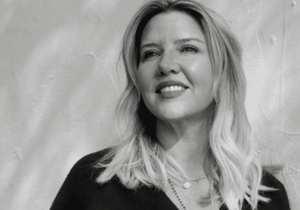
Christine Mason
Founder & Author, Rosebud Woman
Christine Marie Mason is the founder and CEO of Rosebud Woman, a leading brand in women’s intimate wellness and self-care. She is the author of six books on embodiment, intimacy, and awakening, and the host of The Rose Woman podcast—ranked in the top 5% worldwide. A longtime yoga and consciousness teacher, Christine writes and speaks on women’s health, sexuality, and midlife vitality, helping people cultivate love, reverence, and radiant wellbeing in every stage of life.