Using AI to Defend Your Wallet and Your Skin: A Smarter Way to Shop Supplements and Skincare
Walk into a supplement aisle or browse skincare online and you are confronted with thousands of ingredients, scientific-sounding claims, clinical references, certifications, and marketing terms. Even a highly educated consumer cannot be expected to remember the research behind every peptide, botanical extract, vitamin form, delivery system, and formulation choice.
That is where AI can become a practical consumer tool: as a way to ask better questions.
Start With the Label
One of the simplest uses of AI is also one of the most powerful:
Take a photo of the ingredient label and ask: “Evaluate this product.”
AI can help translate what is on the package into questions that matter.
- What are these ingredients?
- Are they present in meaningful amounts?
- Are these the forms used in research?
- Do the claims match what the formula appears capable of delivering?
- Are there red flags, such as hidden blends, unclear dosing, or marketing claims that go beyond the evidence?
For supplements, this can help consumers look beyond the front of the bottle. A product may advertise collagen, magnesium, probiotics, antioxidants, or other popular ingredients, but the important details are often hidden in the smaller print: the form, the dose, the sourcing, and the testing.
For skincare, the same principle applies. A product may highlight peptides, vitamin C, retinol, growth factors, or botanical extracts, but the real questions are more specific. Which ingredient? At what concentration? In what formulation? Is the product designed to protect the ingredient and deliver it effectively?
The ingredient name is only the beginning of the story.
Teach AI What Matters to You
Quality is not defined the same way by every consumer.
One person may prioritize clinical evidence above everything else. Another may care most about organic sourcing, vegan ingredients, non-GMO standards, cruelty-free practices, sustainability, or avoiding specific additives. Someone else may simply want the most effective option at the best price.
AI can be personalized around those preferences.
You can tell it:
- “I prioritize organic ingredients.”
- “I want to avoid animal-derived ingredients.”
- “I want products with third-party testing.”
- “I care most about proven effectiveness.”
- “I want the cleanest formula possible.”
- “I care about value and cost per use.”
The result is not a universal ranking of what is “best.” It is a filter based on your own definition of quality.
The smartest consumer is not necessarily the person who knows every ingredient. It is the person who knows what matters to them and has the tools to evaluate whether a product aligns with those priorities.
Find Better Alternatives
AI can compare products based on the things that actually matter:
- Active ingredients
- Ingredient forms
- Dosages
- Certifications
- Testing standards
- Amount of product included
- Cost per serving
- Cost per meaningful active ingredient
A $50 supplement may be a better value than a $25 supplement if the $25 product contains only a token amount of the ingredient consumers are paying for.
The same applies to skincare. A $100 serum is not automatically better than a $30 serum. The question is whether the additional cost reflects meaningful differences in formulation, ingredients, testing, and performance — or simply a premium brand story.
A premium price does not always mean a premium product. Sometimes a higher price reflects better ingredients, better testing, or better formulation. Sometimes it reflects branding, packaging, or marketing.
Shop Smarter, Not Just Cheaper
AI can also help consumers find the best price on a specific product.
Instead of manually comparing websites, package sizes, subscription offers, and discounts, consumers can ask: “Where is this SKU available at the best price?”
A useful comparison considers more than the sticker price. It looks at:
- Price per serving
- Product size
- Subscription discounts
- Shipping costs
- Temporary promotions
- Whether a cheaper alternative offers similar benefits
The goal is not always to buy the cheapest option, but to avoid paying more than necessary for the quality you want.
The New Consumer Advantage
For decades, brands have had an information advantage. They had the science teams, the marketing departments, and the language expertise. Consumers had a label and a few minutes to decide.
AI changes that balance.
It helps you understand the decision you are making. A better-informed consumer is harder to persuade with vague claims, impressive packaging, or expensive storytelling.
The future of wellness shopping is about giving people a knowledgeable assistant that helps them ask:
- What is really in this product?
- Does it match my values?
- Does the price make sense?
- Is there a better option?
AI will not replace judgment. It will strengthen it.
Build Your Cabinet of Trusted Brands
AI can help consumers evaluate products, but it does not mean every purchase decision should begin with a new investigation. This unnecessarily burns tokens and energy.
There is another powerful tool consumers have always used: trust.
Trusted brands, transparent companies, and meaningful third-party certifications exist for a reason. A brand that consistently demonstrates quality, publishes testing information, uses reputable suppliers, and stands behind its products earns something valuable: the ability to make future decisions easier.
Instead of researching every bottle, every serum, and every ingredient from scratch, consumers can build a personal cabinet of trusted brands.
Think of it like choosing a trusted mechanic, doctor, restaurant, or financial institution. Once a company has demonstrated that it shares your standards, future decisions become faster and simpler.
Third-party certifications can play an important role in that process. Independent verification programs help reduce the burden on consumers by providing an outside check on quality, purity, manufacturing practices, and testing standards. They do not eliminate the need for judgment, but they provide useful signals in a crowded marketplace.
This is also where responsible use of technology matters. AI can be a powerful tool, but it should not encourage endless consumption of information or unnecessary analysis for every small decision. Constantly scanning, comparing, and researching every purchase has its own costs.
The goal is not to replace trust with technology.
The goal is to use technology where it adds value — to investigate unfamiliar products, compare alternatives, understand confusing claims, and make better decisions — while relying on proven standards and trusted relationships when they have been earned.
A smart consumer system might look like this:
- Use trusted brands as your foundation.
- Use certifications as a quality shortcut.
- Use AI when something is unfamiliar, expensive, confusing, or making ambitious claims.
Over time, the result is not a longer list of products to analyze. It is a simpler, more intentional way of buying.
The best consumer is not the one who researches everything forever.
It is the one who knows when to investigate, when to trust, and why.
“The best consumer is not the one who researches everything forever. It is the one who knows when to investigate, when to trust, and why.”
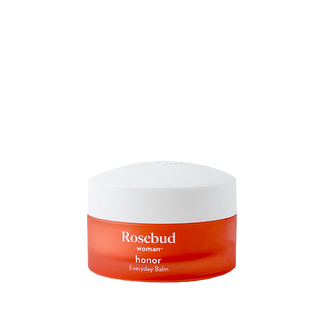
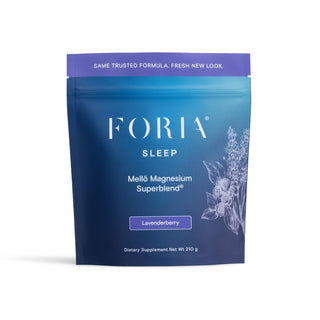
Shop what’s in this story

Frequently asked
How can AI help me evaluate a supplement or skincare product?
Does a higher price mean a better supplement or serum?
Should I research every purchase with AI?
References
- Dietary Supplements: What You Need to Know— NIH Office of Dietary Supplements
- Health Products Compliance Guidance— U.S. Federal Trade Commission






Related Articles