If you, or someone you know, notices a new dryness, look at the medicine cabinet.
Lubrication runs on moisture, blood flow, and hormones, and a surprising number of everyday medications touch one of those levers.
Here are the common ones that interfere with moisture:
-
Antihistamines — allergy pills, and the "PM" in most nighttime cold and sleep aids. They dry mucous membranes everywhere, and vaginal tissue is a mucous membrane.
-
Decongestants — pseudoephedrine narrows blood vessels to dry the sinuses; the narrowing isn't local.
-
SSRIs and SNRIs — the most-prescribed antidepressants can dampen arousal, lubrication, and orgasm for a meaningful share of the women taking them. Older tricyclics add a drying effect of their own.
-
Hormonal contraception — some pills raise a protein that binds free testosterone, and some women notice reduced desire and lubrication as a result. Real for some, absent for others; both experiences are common.
The ones that come with a diagnosis:
-
Endocrine therapies for breast cancer — aromatase inhibitors and, for some women, tamoxifen work precisely by lowering or blocking estrogen, and vaginal dryness is among their most frequent companions. If this is you, you are in a large sisterhood, and comfort is a legitimate part of your care plan.
-
Chemotherapy — can pause or end ovarian estrogen production, bringing menopausal tissue changes on a compressed timeline.
-
GnRH medications — prescribed for endometriosis and fibroids, these intentionally quiet the hormonal cycle, and dryness rides along.
-
The quiet contributors: overactive-bladder medications (anticholinergic, like the allergy pills), some blood-pressure medicines including diuretics and beta-blockers, long-term opioid therapy (which lowers the hormones upstream of desire), some antipsychotics and anti-seizure medications, and isotretinoin for acne, famous for drying every mucosal surface it meets.
"Could my medication be affecting lubrication, and what are my options?" is a complete, legitimate question for your healthcare provider. Alternatives sometimes exist. Timing adjustments sometimes help. And sometimes the medicine stays exactly as it is, and the answer becomes tending the tissue directly.
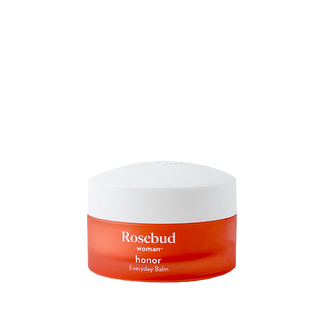
That last path is where daily care lives: Honor, our everyday balm, replenishes moisture and comfort at the skin itself — support for tissue doing its best under medicated conditions, alongside whatever you and your clinician decide.
If you're taking these medications and one of the side effects is dryness, that's your body responding, predictably, to real pharmacology — and what responds predictably can be cared for deliberately.
This is education, never medical advice. Please bring any medication question to your prescriber or pharmacist — they can see your whole picture.
|